



























It’s been over five years since the growth of inbound tourism got derailed. India remains one of the few countries where post-covid rebound has been unusually sluggish. The country is yet to surpass it’s best inbound numbers achieved in 2019.
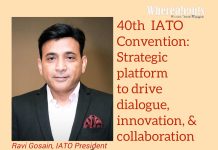
In an exclusive conversation with Whereabouts, IATO President Ravi Gosain offers candid insights on some very tough questions, shedding light on factors hindering inbound tourism growth. Read more.
Highlights
-
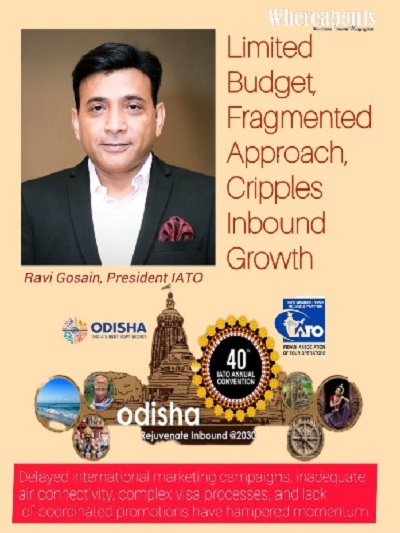
Delayed international marketing campaigns, inadequate air connectivity, complex visa processes, and lack of coordinated promotion have hampered momentum.
-
While other countries acted swiftly with aggressive outreach, India’s fragmented approach and limited budget allocation for global branding have been key constraints slowing the rebound.
-
Coordination gaps between Centre and States further slow progress.
-
Some progress includes e-visa expansion and dialogue on tax rationalisation, but a comprehensive, action-oriented national inbound tourism strategy is still awaited.
-
Inbound operators should focus on niche experiences, sustainability, and partnerships with foreign agents.
Q&A
Q1. To start with, keeping the vast potential of tourism that India offers, do you think the inbound tourism is growing as it ought to be ?
Ans: No, it is not growing as it should be.
Q2. What went wrong?
Ans: The Budget crunch has jeopardized the marketing and promotional efforts and though working out the digital mode of representation, our nodal ministry has been handicapped on account of this to address the physical form of promotion comprise participation in International Travel Marts and Road Shows across the world.
Q3. When most of the world countries have reached to the pre-covid mark, and some of them have surpassed that figure too with a remarkable growth, India is still struggling, where has been the lapses, is it entirely at the policy front?
Ans: India’s slower recovery in inbound tourism stems from multiple factors—not just policy gaps. Delayed international marketing campaigns, inadequate air connectivity, complex visa processes, and lack of coordinated promotion have hampered momentum. While other countries acted swiftly with aggressive outreach, India’s fragmented approach and limited budget allocation for global branding have been key constraints slowing the rebound.
Q4. What role the industry has to play here? Any guideline or suggestion for inbound travel companies?
Ans: The industry must proactively fill the promotional void—by collaborating on global marketing, enhancing digital presence, and offering innovative, value-driven itineraries.
Inbound operators should focus on niche experiences, sustainability, and partnerships with foreign agents. Building trust, improving service standards, and collective lobbying for policy reforms will be crucial to reposition India as a competitive and welcoming destination.
Q5. Which are the grey areas hindering the growth of Inbound Tourism, especially at the ‘Policy Front’/State/Central Govt support? Has IATO highlighted these concerns to the Govt? What’s the progress?
Ans: Key grey areas include limited overseas promotion, high taxation, visa bottlenecks, and poor last-mile infrastructure. Coordination gaps between Centre and States further slow progress. IATO has consistently flagged these issues through representations and meetings. Some progress includes e-visa expansion and dialogue on tax rationalisation, but a comprehensive, action-oriented national inbound tourism strategy is still awaited.
Initiatives at IATO
Q6. Since you have taken as the President of IATO recently, what are your plans to facilitate more growth to industry stakeholders and attract more tourist traffic from across the world?
Ans: As IATO President, my focus is on stronger global outreach, enhancing digital marketing, and forging strategic partnerships with overseas stakeholders. We aim to push for policy reforms, better connectivity, and infrastructure. Skill development, innovation in product offerings, and collective branding of India as a year-round destination will empower members and drive sustained growth in inbound tourism.
Q7. Last but not least, any other initiative are you taking at IATO front?
Ans: Yes, several new initiatives are underway at IATO. Our members are initiating focused promotional campaigns in key international markets, enhancing our digital footprint, and formation of Sub-Committees to deliberate on roadshows and fam tours to lesser-known destinations. Capacity building is another priority—through training programs for members on sustainability, digital marketing, and crisis management. We’re also strengthening engagement with the Ministry of Tourism to streamline policy support, visa facilitation, and overseas marketing.
Additionally, we’re working on creating a unified IATO Marketplace to connect members with global buyers. Our aim is to ensure that India regains its rightful position as a leading, year-round inbound tourism destination.